buy glass bottle supply near you
The Craft of Glass Packaging: Transforming Your Brand Through Sustainable Glass Bottles
The art of glass packaging offers brands a distinctive pathway to stand out. By embracing sustainable methods, glass bottles elevate brand aesthetics and connect with sustainability-minded shoppers. Their inherent qualities, encompassing recyclability and material safety, reflect a dedication to quality standards. As companies move through this changing environment, understanding the multifaceted benefits and challenges of glass packaging becomes essential for long-term success. What forward-thinking methods are companies adopting to fully harness these opportunities?
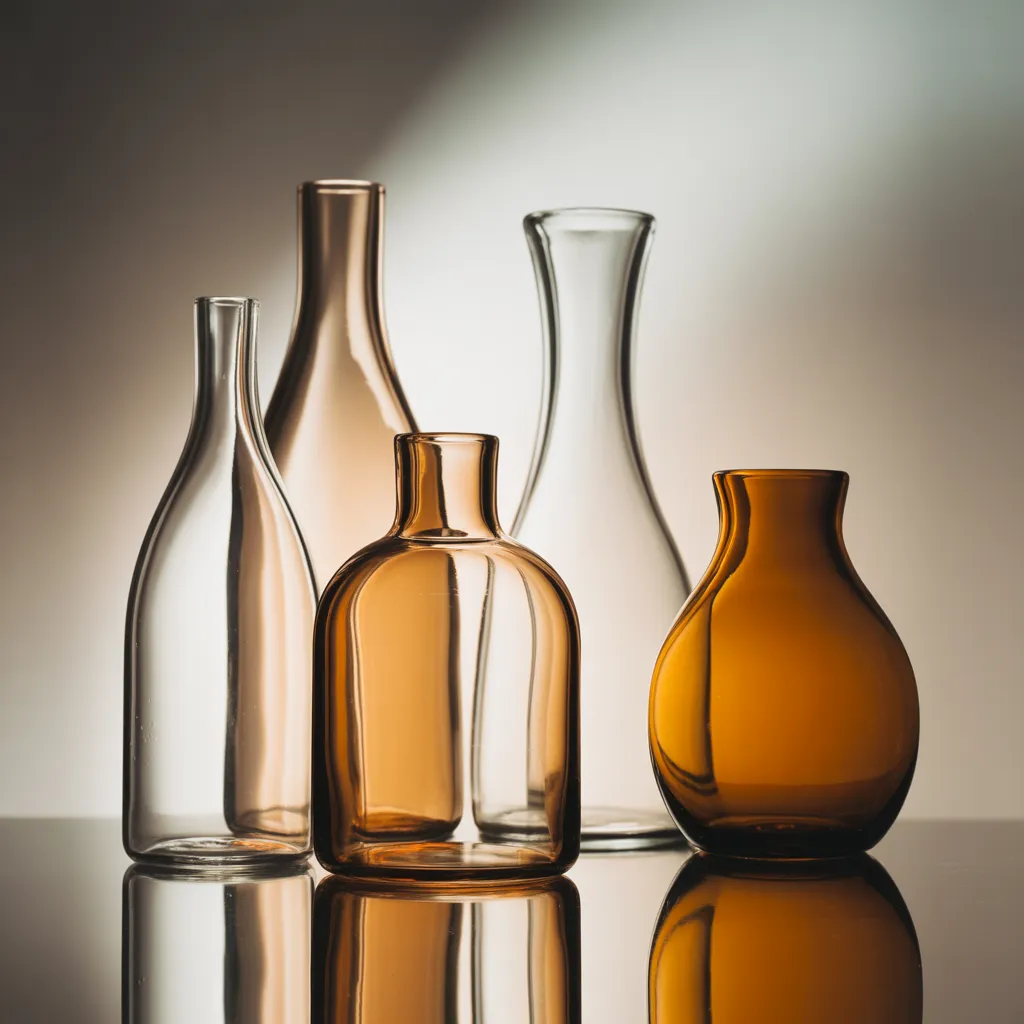
Reasons to Select Glass Packaging for Your Brand
Choosing glass packaging can greatly enhance a brand's image and eco-friendly commitments. Brands that opt for glass demonstrate a commitment to quality and exceptional product encounters, resonating with sophisticated customers who value both visual and practical qualities. Glass delivers a timeless and elegant appearance, enhancing a brand's recognizable image while providing a sensory experience that no alternative material can equal.
Additionally, glass packaging conveys an impression of freshness and protection, as it is absent of toxic substances commonly present in plastic materials. This choice can attract eco-aware shoppers who identify glass with sustainable behavior. Additionally, its durability allows for repeat use, thereby strengthening a brand's commitment to eco-friendly practices.
In an industry increasingly focused on environmental impact, choosing glass packaging can differentiate a brand fostering loyalty and enhancing consumer trust. At its core, this calculated move places brands at the forefront of quality and environmental responsibility, aligning with the values of today's consumers.
The Environmental Benefits of Glass Bottles
Glass bottles present significant sustainability benefits that distinguish them from other packaging materials. These containers are completely recyclable, contributing to a closed-loop economy where resources can be continuously repurposed without compromising quality. This characteristic significantly minimizes the reliance on raw materials, thus reducing natural resource extraction and energy consumption connected to production.
Moreover, glass packaging is chemically stable, meaning it does not release dangerous compounds into its contents, ensuring more secure consumption. Unlike plastic, glass does not add to microplastic pollution, which is a mounting environmental challenge.
The production of glass bottles also generates reduced greenhouse gas emissions in comparison to plastic. As manufacturing processes have advanced, energy efficiency has been greatly enhanced, further reducing the environmental impact associated with producing glass.
Creative Designs That Elevate Glass Packaging
Innovative patterns in glass containers are transforming how consumers view products. Original silhouettes and configurations not only improve usability but also draw shopper focus. Additionally, vibrant color schemes further boost the overall appearance, making glass packaging stand out on shelves.
One-of-a-Kind Shapes and Structures
Groundbreaking solutions in glass packaging not only boost visual impact but also play an essential role in brand differentiation. Distinctive forms and designs can create memorable consumer experiences, making products stand out on crowded shelves. For instance, bottles with asymmetrical shapes or geometric patterns can inspire intrigue and promote exploration. Such important information distinctive designs often reflect a brand's personality, solidifying its brand narrative and ideals. Beyond that, distinct shapes can improve functionality, such as easier handling or enhanced pouring. Companies that prioritize innovative glass packaging signal commitment to quality and sustainability, drawing in eco-aware buyers. By championing innovation in their packaging strategies, companies can foster deeper connections with their audience, in turn promoting long-term loyalty and broadening their market reach.
Attention-Grabbing Color Palettes
Dynamic color schemes are fundamental in improving glass container aesthetics, converting standard bottles into captivating visual expressions. Through the thoughtful application of carefully selected colors, brands can evoke emotions and create memorable experiences for consumers. Bold colors can signify premium quality, as more subdued tones often suggest grace and distinction.
Furthermore, the incorporation of multi-toned designs and gradients creates depth and visual interest, capturing attention on busy shelves. Sustainability-driven practices further elevate the attractiveness; sustainable dyes and finishes appeal to environmentally aware consumers. In the end, the perfect color palette not only embodies a brand's character but also strengthens its dedication to sustainability, establishing glass packaging as an influential instrument for standing out in a competitive market.
What Role Does Glass Packaging Play in Enhancing Product Perception?
Glass packaging notably improves how products are perceived with its premium aesthetic and tactile quality, creating a sense of luxury for consumers. The visual transparency and clarity of glass offer consumers an unrestricted look at the product, further reinforcing quality. Additionally, using glass aligns with eco-friendly brand positioning, attracting consumers who prioritize environmental responsibility.
Exceptional Feel And Appeal
Utilizing glass packaging greatly elevates the perceived value of a product, often associating it with quality and sophistication. Customers often link glass with high-end appeal, resulting in improved brand commitment and rewarding buyer experiences. The physical feel of glass, with its sleek finish and substance, contributes to a luxurious sensation that plastic cannot replicate. This experiential connection creates a connection between the product and the consumer, fostering a perception of excellence. Furthermore, glass packaging demonstrates a dedication to sustainability, attracting environmentally-conscious buyers. Consequently, companies using glass packaging can present themselves as premium options within their markets, drawing selective buyers who appreciate both style and sustainability in their consumer decisions.
Visual Transparency And Clarity
When buyers discover products in glass packaging, their experience is commonly improved by the inherent visual transparency and clarity it provides. This openness enables prospective customers to view the contents within, building a feeling of confidence and genuineness. The see-through nature of glass not only reveals the product's caliber but also accentuates its color and feel, boosting aesthetic attractiveness. Additionally, the absence of labeling distractions on clear glass allows the product to take center stage, producing a more captivating retail encounter. Glass packaging can elevate brand perception by conveying a commitment to quality and craftsmanship. This transparency ultimately shapes buyer choices, encouraging a deeper emotional connection with the product and the brand.
Green Brand Positioning
Eco-conscious brands employ glass materials to strengthen their dedication to eco-friendly practices, successfully elevating how products are perceived. Glass conveys a sense of quality and purity, defining a loftier benchmark when measured against plastic counterparts. This substance not only underscores the green values of a brand but also resonates with shoppers who value eco-conscious decisions. The physical sensation of glass—its heft and feel—additionally enhances the perceived worth of the product. Additionally, the recyclability of glass aligns with the growing consumer demand for sustainable practices, fostering brand loyalty. By opting for glass, brands not only demonstrate their commitment to ecological responsibility but also establish their products as high-end choices, consequently developing a distinguished presence in a competitive industry.
Case Studies of Brands Succeeding With Glass Packaging
Numerous brands are succeeding by embracing glass packaging, demonstrating its appeal to consumers and commitment to sustainability. For instance, a leading beverage company made the switch to glass bottles, producing a 30% rise in sales within a year. The switch not only enhanced product visibility on shelves but also connected with eco-conscious consumers, reinforcing the brand's sustainability message.
A different skincare brand successfully changed to glass vessels, considerably boosting its upscale appeal. This transition brought in a loyal customer base that values both visual appeal and eco-conscious practices. Additionally, a specialty beer manufacturer incorporated refillable glass growlers, fostering customer loyalty and reducing waste. These case studies illustrate that glass packaging not only meets customer expectations for sustainable options but also strengthens brand recognition and competitive standing. Such thoughtful selections highlight an emerging pattern among brands aiming to integrate eco-friendly values into their processes while appealing to modern consumers.
How to Address Challenges in Glass Packaging
Navigating the complexities of glass packaging necessitates creative approaches and a keen understanding of the market. Businesses often face obstacles such as elevated manufacturing expenses, weight-related challenges, and structural vulnerability. To overcome these, companies can implement advanced manufacturing techniques that reduce waste and enhance durability. Working alongside suppliers to source environmentally responsible materials also reduces environmental impact while attracting environmentally conscious consumers.
An additional obstacle concerns the complexities of shipping, considering the substantial weight of glass. Adopting intelligent logistics strategies, encompassing improved shipping methods and efficient packaging solutions, may lower costs and secure product integrity throughout shipping. Moreover, raising consumer awareness regarding glass's superiority over plastic can build brand loyalty and stimulate demand. By embracing these strategies, organizations can address hurdles in glass packaging and distinguish themselves as innovators in eco-friendly practices, thereby strengthening their brand reputation and market standing.
Future Trends in Sustainable Glass Packaging
As the demand for sustainable packaging continues to rise, the glass packaging industry is set for remarkable evolution. Innovations in manufacturing processes are expected to enhance energy efficiency, minimizing the carbon emissions tied to glass production. Additionally, the adoption of lightweight glass bottles will emerge as a key trend, reducing shipping emissions while preserving product quality.
Recycling initiatives will become more robust, with increased collaboration between producers and local governments to improve glass collection and processing. Furthermore, the incorporation of intelligent technology within packaging will facilitate improved clarity throughout the supply chain, empowering companies to highlight their environmental commitments with impact.
The rising consumer appetite for environmentally conscious products will continue to fuel the growth of tailored, visually appealing designs, combining utility with striking visual elements. As brands prioritize sustainability, the glass packaging market is prepared to reshape its direction, harmonizing with global sustainability targets while fulfilling the needs of an eco-conscious audience.
Questions We Often Receive
What Are the Financial Differences Between Glass Packaging and Plastic?
Packaging made from glass commonly involves greater expenses owing to production, transportation, and recycling processes relative to plastic packaging. That said, it provides eco-friendly benefits and stronger brand positioning, making it a worthwhile investment for certain companies.
How Do I Customize Glass Bottles for My Brand?
Companies can customize glass packaging with original forms, tones, and surface treatments. Printed designs, engravings, and labels strengthen brand image. Partnering with suppliers guarantees adherence to eco-friendly initiatives all while preserving both appearance and performance.
Are There Particular Rules Governing Glass Packaging?
Indeed, particular regulations for glass packaging are in place, varying by region. Such regulations encompass safety standards, labeling requirements, and recycling guidelines, guaranteeing consumer safety and environmental responsibility while advancing sustainable practices in packaging manufacturing and distribution.
What Are the Best Practices for Recycling Glass Bottles?
When recycling glass bottles properly, residents should rinse them to remove residues, remove lids, and separate them by color. In addition, they should consult local recycling guidelines for proper protocols and collection points to ensure correct handling and processing.
What Is the Effect of Glass Packaging on Shipping and Logistics?
Glass packaging significantly impacts the shipping and logistics process by increasing weight and fragility, demanding meticulous handling and dedicated transportation methods. This can lead to higher costs and more complex supply chain management relative to lighter and sturdier material alternatives.